RAID is an operational framework for translating lived experience into material form. It defines the structures, processes, and ethical conditions through which documentary encounters become physical artifacts, installations, and shared cultural memory. The framework ensures that subjects remain collaborators, material retains historical integrity, and each work exists as both object and evidence.
RAID Framework
RAID defines the operational logic through which documentary encounters become material artifacts. It describes how images migrate across substrates, how materials absorb historical stress, and how objects function as both record and continuation.
Studio369 operates through four interdependent conditions: Resilience, Adaptation, Impermanence, and Detachment. These are not symbolic categories but material behaviors governing how memory persists in physical form.
RAID does not attempt to preserve moments unchanged. It recognizes that survival requires transformation. Images shift scale, surface, and context. Materials weather, fracture, and stabilize. Objects accumulate evidence. Each work becomes both artifact and witness.
The framework ensures that subjects remain collaborators, material retains historical integrity, and the resulting objects exist as carriers of memory rather than representations of it. Studio369 does not reproduce documentary images. It reconstitutes documentary experience into physical form.
RAID Components
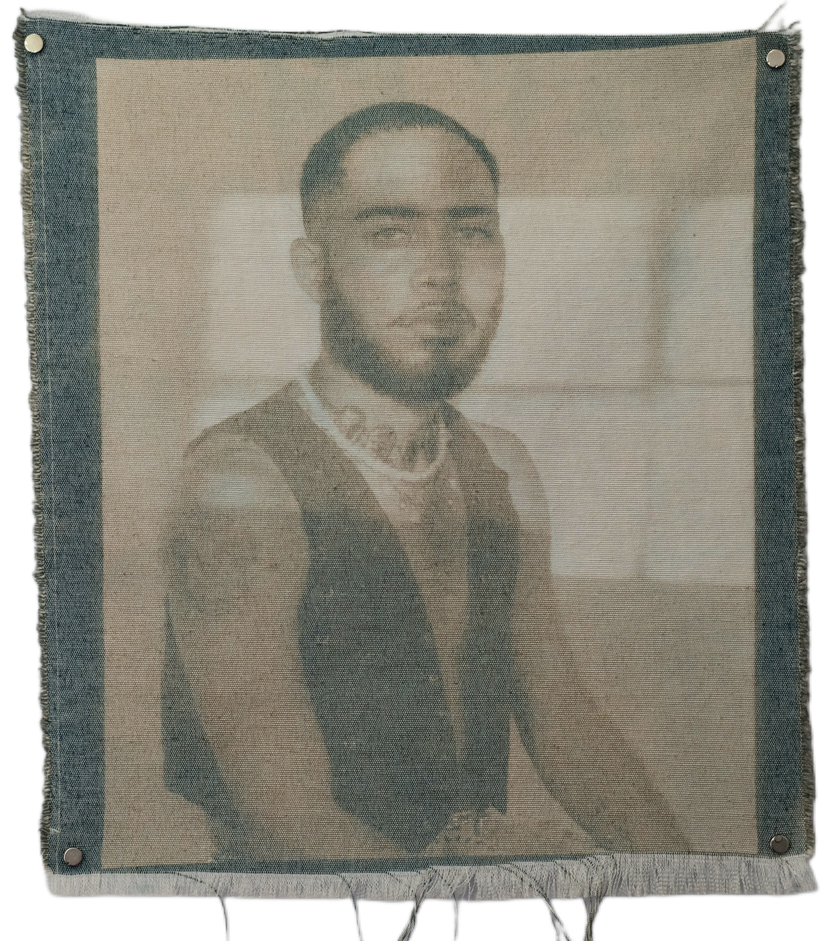
Resilience
Resilience describes the capacity of images and materials to endure stress without losing structural integrity. Documentary encounters often originate in conditions of instability—displacement, environmental disruption, or political violence. When translated into material form, these experiences require substrates capable of carrying historical weight.
Textiles, fibers, and layered materials function as resilient carriers. They absorb tension, resist degradation, and preserve embedded information. Resilience ensures that memory persists even as its form evolves.
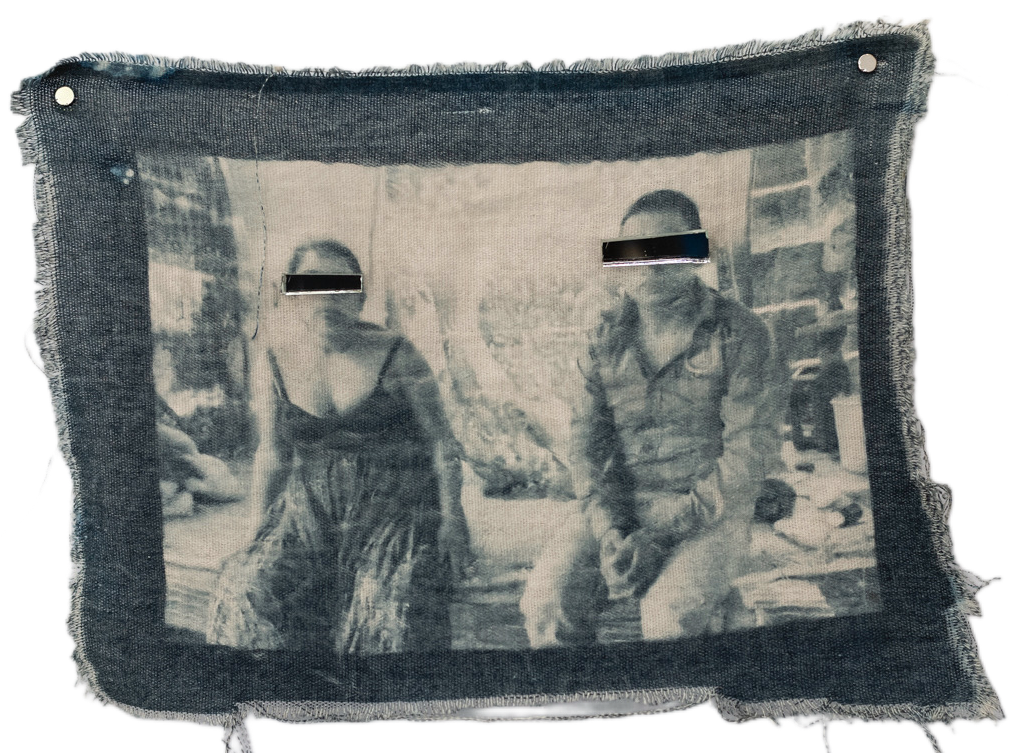
Adaptation
Adaptation governs how documentary images migrate across materials, scales, and contexts. An image is not fixed to its original surface. It can be transferred, embedded, fragmented, or reassembled depending on the conditions it encounters.
Through processes such as textile transfer, sublimation, cyanotype printing, and structural suspension, images adjust to the constraints and possibilities of physical media. Adaptation ensures that documentary encounters remain active rather than static, allowing memory to survive beyond the limitations of its original form.
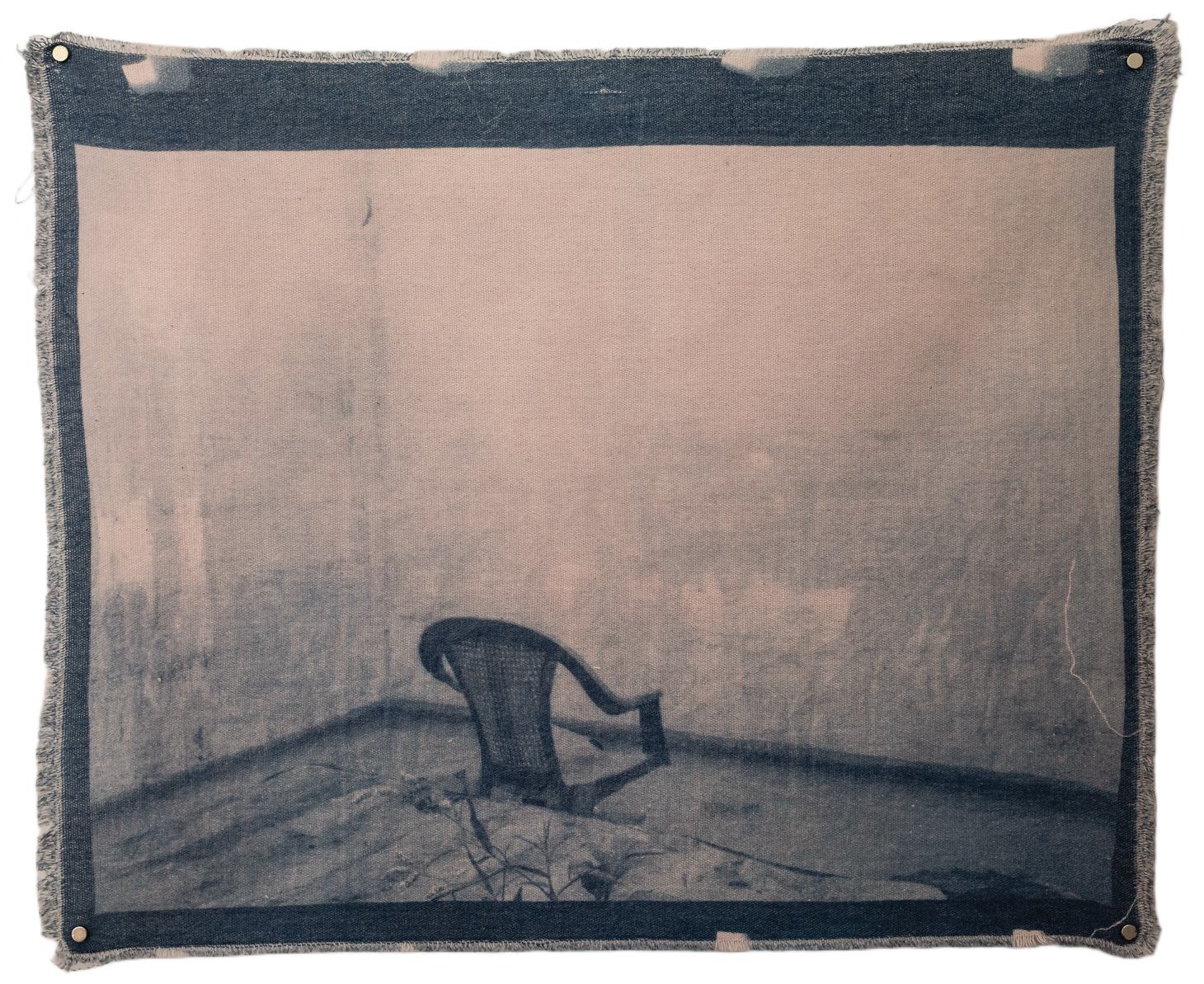
Impermanence
Impermanence recognizes that all materials exist in a state of continuous change. Fibers weaken, pigments fade, surfaces fracture, and structures shift. These transformations are not failures of preservation but evidence of lived time.
Studio369 incorporates material instability as part of the work itself. Textile, paper, and structural elements remain vulnerable to environmental forces, allowing each object to continue evolving. Impermanence ensures that the artifact does not freeze memory but carries it forward as an active, physical condition.
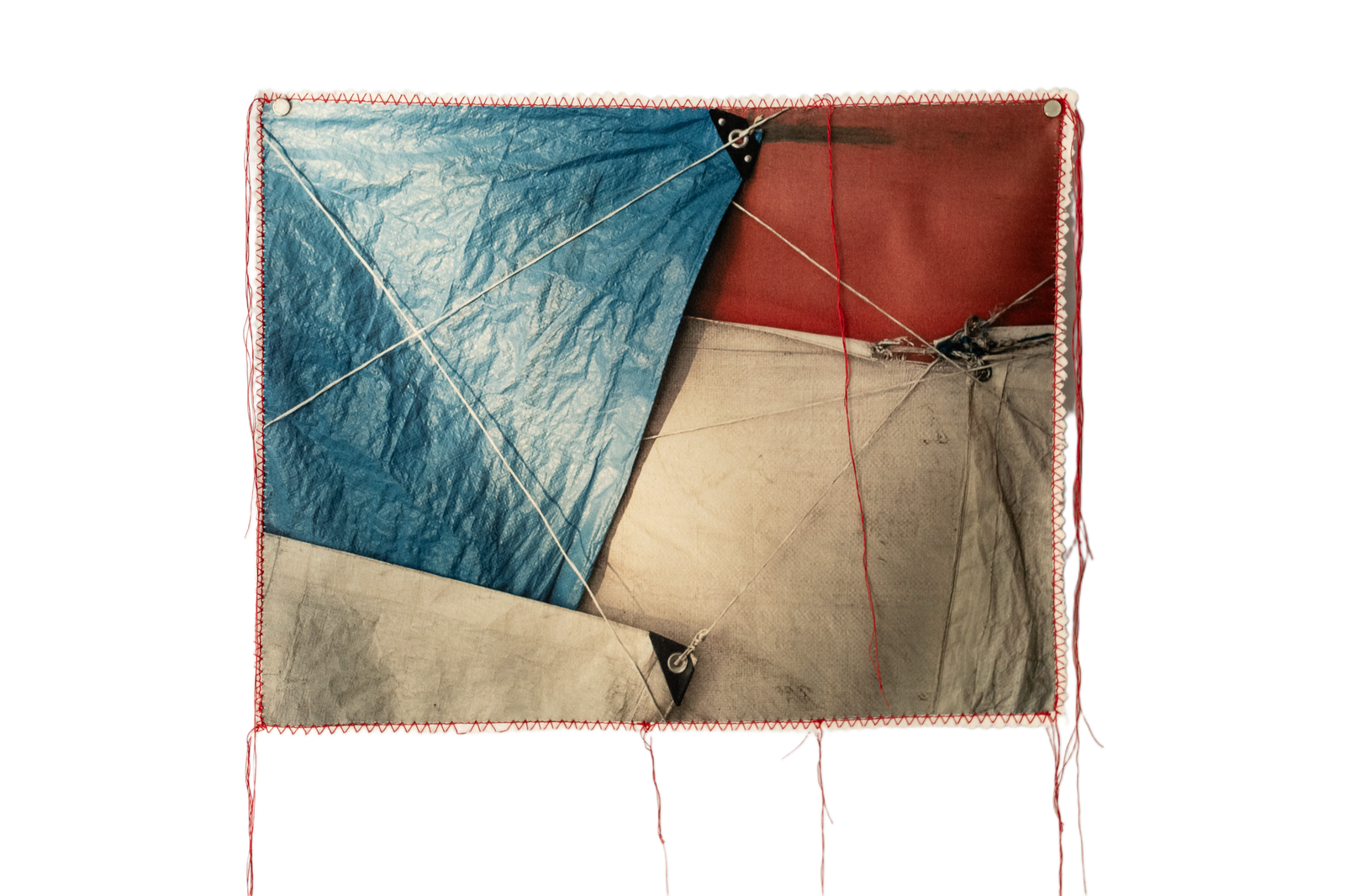
Detachment
Detachment governs the ethical separation between the original documentary encounter and its material translation. The resulting artifact is not a reproduction. It is a new object carrying historical continuity without claiming to replace the original moment.
Detachment protects the integrity of the subject while allowing the work to exist independently as material evidence. The artifact becomes autonomous, capable of entering new environments, institutions, and collections while maintaining its connection to the conditions that produced it.
Studio369 operates as a translation system rather than a documentation system. Documentary encounters do not remain fixed as images. They migrate into physical substrates, structural installations, and autonomous artifacts.
Through RAID, memory becomes material, material becomes object, and object becomes carrier. The resulting works function simultaneously as archive, continuation, and physical record of lived experience.
This framework governs all Studio369 projects, installations, and material outputs.